Late '08 update
The best part of 6 months seems to have passed since we last posted anything to this blog, so you could be forgiven for thinking we'd been doing nothing since our holiday in Italy. However we've actually been flat out, and that's why we've not had much of a chance to fill you in on our activities. That and the fact nothing we've done seems to match the holidays we had in the first half of the year. Still it's not been all bad, so here's an update on what we've been up to.
August passed without much excitement, although we made a trip to Devon to go surfing. The conditions were dreadful though, so we agreed that maybe the beach weekends weren't a very good use of resources, and we might be best to avoid them until we're living nearer a good beach.
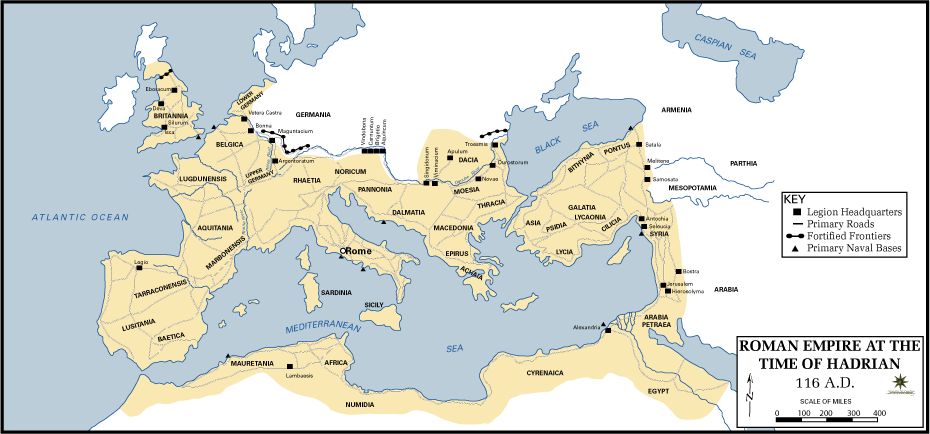
At the beginning of September we had a week up in Nothumberland, which despite it's proximity to Newcastle is a far less spoilt area of the country than many others we've visited. We have a saying 'just because it's old, doesn't mean I want to see it', and we like to think it's helped us avoid many boring museum visits on our travels. We're not totally anti-history though which was helpful as there's an awful lot of history in Nothumberland, including this very long pile of stones left by some guy called Hadrian. In September the previous year we'd been in Istanbul, which now seemed a very long way away, and we reflected on just how big his empire had been to have encompased everything between the two places and more.

Although it was relatively cool and a bit damp at times, we managed to go on some nice walks including one where Vonny forgot her coat, and had to wear the rain cover from Chris' backpack to try and stay dry. On the way we saw these amazing prehistoric stone carvings in the middle of nowhere, apparently no-one seems to know what they were for.

It wasn't all rain however and we had some lovely weather the day we walked to Lindisfarne. Most people get to the island by car, which is a shame given that there is a pilgrims route marked across the estuary that people have been using for hundreds of years. In the picture below Vonny is standing on the causeway that connects the island with the mainland, which is covered with water twice a day. Despite numerous warning signs people do try to drive across it when the tide is in, and have to wait in the elevated refuge while their cars are innundated by the sea.

If you've got time you might also want to have a look at these pages from The British Library who hold the Lindisfarne Gospels. As well as a bit of history there is the opportunity to view various parts of them in high resolution through their 'turning the pages' option. You might need to download an add-on for your browser.
We seemed to have a good run of places to stay, including one that had roaming ducks. Our suspicions were that they were quite tame as one of them decided to sit on our camping stove while we were eating our dinner in order to take advantage of the residual warmth. That's the bird equivalent of putting your head in the lion's mouth. However towards the end of the week we had to cut our holiday short as the forecast was for very heavy rain, so we headed down to spend a day in York. We ended up in a Travelodge as it was raining far too heavily to camp comfortably, and we were glad we did. The next day it wasn't raining but the river Ouse was only just within it's banks and we heard on the radio that the campsite with the ducks had been flooded, and the campers had been rescued by the fire brigade.
We had a great day though including a visit to York Minster, although Chris had a bit of a grumble about there being an admission charge given the Church of England is the fifth wealthiest charity in the world, with assets of over £5.5 billion. We also managed to fit in a trip to the National Railway Museum, which we thought was good as like all the best museums (such as Big Pit) it has free entry and relies on people enjoying their visit and making donations.

A few weeks after we got home we were away for a weekend in the New Forest. This time it wasn't for a relaxing break however, but to run the New Forest Marathon
We'd both started our training just after our cycling trip in June, although the need to build a foundation on which to train had required us to take our running shoes to Amsterdam and on our bike trip in June, as well as every subsequent holiday. This was especially true of our trip to Auronzo, where doing runs and big walks became a balancing act, and we had to miss the best weather for ferrati for the whole visit as we were due to run 15 miles around the lake. All that exercise had it's benefits though as we were able to gorge oursleves on ice cream and pizzas while we were there and still lose weight.
Training became a lot easier once we returned home from Italy with week-day runs fitting in nicely before work and the long ones falling on Saturdays, when we had little else to do. Shortly after we got home Vonny realised that being constantly on the go for the previous few months meant she was too exhausted to continue training for the full distance, so she switched to the half marathon but kept running further than that most weekends. Unfortunately there isn't a 3/4 marathon option though as it would have suited her quite nicely. Chris just managed to keep up with the full schedule, although the way he went about it ultimately didn't serve him too well on the day. Having done his long training runs in the cool of the early morning, along the river and with frequent water stops, the conditions of the race came as a bit of a shock. The course was hilly, the day was hot, and the water was infrequent and in containers that couldn't be carried along the route. He completed it in around 4:04, which was a bit disappointing as he'd had his heart set on a sub 4 hour time, but if anything the sense of achievement was greater given the extra effort it took to get to the finish line.
 .
.
The race took place on a Sunday and the next day rather than resting Chris was up to City University for the first day of his course of study towards an MSc in Information Science. Don't ask what Information Science is; he's already spent one term learning that the most debated topic in the discipline is 'what are we actually studying?'. Ultimately he's just pursuing the bit of paper you get at the end of it though so he's content to not bother himself with semantics. Fortunately the course so far has been relatively interesting with one module in particular being quite useful, looking at how information is encoded and transferred within and between computers. Thanks to that module there's even a bit of javascript being used in this blog and a few of the pictures are now links to other pages. Things have come a long way from our first posting 4 years ago.
While Chris has been studying in the evenings Vonny has been doing her best to entertain herself with Yoga and baking. When we left Chesham we couldn't go back to eating supermarket bread having feasted on the output from the local bakers Darvell's, so we've been baking our own since moving to London. A colleague of Vonny's suggested a good bread book a while ago so since then we've been enjoying a wide variety of sourdough, wheat leaven and fruit breads thanks to Andrew Whitley's book Bread Matters. We never knew this when we lived there but Chorleywood is apparently famous for it's unfavourable contribution to bread making in the UK. By using lower-grade flour and additives the manufacturers can make bread faster and keep costs down, the quality of the bread they're making doesn't seem to get much consideration. None of that rubbish for us.

At the beginning of November we had a break from London while Chris had a scheduled 'reading week'. We headed to Valle Gran Rey on La Gomera, which is one of the Canary Islands, a Spanish archipelago off the coast of Africa. The island isn't popular with the multitudes of British tourists who go to Tenerife, Fuerteventura, La Palma and Gran Canaria, so it was just us, the locals, and the German tourists. It's always been a popular haunt of German hippies and has kept much of the original vibe, so is a pretty laid back spot.
What really struck us was the diversity of the landscape on the island. The terrain was arid and incredibly rugged, and we were amazed that people had managed to scrape out an existence there for so many years. In many places you could still see the cultivation terraces they had used to grow their crops, often on very steep slopes that must have taken an enormous amount of effort to transform.

The centre of the island was in stark contrast to its surrounds, being completely covered with lush rainforest and constantly shrouded in mist. The laurisilva forest is a remnant of what used to fill much of the Mediterranean basin until around 10,000 years ago.

The island has a very interesting indigenous culture which has developed in response to the landscape. There is a whistling language called El Silbo Gomero which the locals used to communicate across the deep ravines which scour the island. It was apparently in danger of dying out so the local schools now teach it as part of the curriculum to ensure it's continued survival. You can find out more and listen to a sample here. Needless to say wolf-whistling isn't very popular on La Gomera, as a slightly wrong note could change the meaning of the message from 'you're hot' to 'hey fattie'.
The shepherds on the Canary Islands use a long staff called a salto del pastor when walking over the difficult ground. It's like a combined pole-vault and firemans pole used to get across small gaps or down rocky steps. If you're interested you can view a short video showing how it's done on this page (opens in a new window). Having looked at some of the related videos two storeys seems to be about the maximum height they can cope with. We had to make do with just walking up and down the hills the old fashioned way, although on occasions it was nice to have a bit of firm ground under our feet.

Down at the coast the water was warm and the beaches were relatively quiet, and we were able to wander around like it was summer whilst the people back home suffered temperatures not far above freezing. The water was warm enough to swim so we took a dip on a couple of occasions to give ourselves a few memories to look back on once we returned to the cold of London.

Since getting home time seems to have raced on and we've made it all the way to Christmas having barely had the chance to blink. Teaching for Chris finished in mid-December and having run out of small assessments to do he has to get stuck in to a few large essays which need to be completed by the end of January, hence this blog being written now when few other distractions are left. Vonny is continuing to busy herself at work and is enjoying seeing her sister Anika once a week now she is studying in London as well. We don't currently have any plans for holidays in 2009 as it's difficult to know in advance what Chris' work load will be like and when he can afford to take a few days off for a break. The big fall in the value of the pound has hit hard as well, and as we get dangerously close to parity with the euro we're thinking it was good we managed to get so much travel in while it was cheap. If we do end up going anywhere interesting we'll put some details up here for you, although as usual it might take a while for us to get around to it.
Best wishes to you all for 2009.
August passed without much excitement, although we made a trip to Devon to go surfing. The conditions were dreadful though, so we agreed that maybe the beach weekends weren't a very good use of resources, and we might be best to avoid them until we're living nearer a good beach.
At the beginning of September we had a week up in Nothumberland, which despite it's proximity to Newcastle is a far less spoilt area of the country than many others we've visited. We have a saying 'just because it's old, doesn't mean I want to see it', and we like to think it's helped us avoid many boring museum visits on our travels. We're not totally anti-history though which was helpful as there's an awful lot of history in Nothumberland, including this very long pile of stones left by some guy called Hadrian. In September the previous year we'd been in Istanbul, which now seemed a very long way away, and we reflected on just how big his empire had been to have encompased everything between the two places and more.
Although it was relatively cool and a bit damp at times, we managed to go on some nice walks including one where Vonny forgot her coat, and had to wear the rain cover from Chris' backpack to try and stay dry. On the way we saw these amazing prehistoric stone carvings in the middle of nowhere, apparently no-one seems to know what they were for.
It wasn't all rain however and we had some lovely weather the day we walked to Lindisfarne. Most people get to the island by car, which is a shame given that there is a pilgrims route marked across the estuary that people have been using for hundreds of years. In the picture below Vonny is standing on the causeway that connects the island with the mainland, which is covered with water twice a day. Despite numerous warning signs people do try to drive across it when the tide is in, and have to wait in the elevated refuge while their cars are innundated by the sea.
If you've got time you might also want to have a look at these pages from The British Library who hold the Lindisfarne Gospels. As well as a bit of history there is the opportunity to view various parts of them in high resolution through their 'turning the pages' option. You might need to download an add-on for your browser.
We seemed to have a good run of places to stay, including one that had roaming ducks. Our suspicions were that they were quite tame as one of them decided to sit on our camping stove while we were eating our dinner in order to take advantage of the residual warmth. That's the bird equivalent of putting your head in the lion's mouth. However towards the end of the week we had to cut our holiday short as the forecast was for very heavy rain, so we headed down to spend a day in York. We ended up in a Travelodge as it was raining far too heavily to camp comfortably, and we were glad we did. The next day it wasn't raining but the river Ouse was only just within it's banks and we heard on the radio that the campsite with the ducks had been flooded, and the campers had been rescued by the fire brigade.
We had a great day though including a visit to York Minster, although Chris had a bit of a grumble about there being an admission charge given the Church of England is the fifth wealthiest charity in the world, with assets of over £5.5 billion. We also managed to fit in a trip to the National Railway Museum, which we thought was good as like all the best museums (such as Big Pit) it has free entry and relies on people enjoying their visit and making donations.

A few weeks after we got home we were away for a weekend in the New Forest. This time it wasn't for a relaxing break however, but to run the New Forest Marathon
We'd both started our training just after our cycling trip in June, although the need to build a foundation on which to train had required us to take our running shoes to Amsterdam and on our bike trip in June, as well as every subsequent holiday. This was especially true of our trip to Auronzo, where doing runs and big walks became a balancing act, and we had to miss the best weather for ferrati for the whole visit as we were due to run 15 miles around the lake. All that exercise had it's benefits though as we were able to gorge oursleves on ice cream and pizzas while we were there and still lose weight.
Training became a lot easier once we returned home from Italy with week-day runs fitting in nicely before work and the long ones falling on Saturdays, when we had little else to do. Shortly after we got home Vonny realised that being constantly on the go for the previous few months meant she was too exhausted to continue training for the full distance, so she switched to the half marathon but kept running further than that most weekends. Unfortunately there isn't a 3/4 marathon option though as it would have suited her quite nicely. Chris just managed to keep up with the full schedule, although the way he went about it ultimately didn't serve him too well on the day. Having done his long training runs in the cool of the early morning, along the river and with frequent water stops, the conditions of the race came as a bit of a shock. The course was hilly, the day was hot, and the water was infrequent and in containers that couldn't be carried along the route. He completed it in around 4:04, which was a bit disappointing as he'd had his heart set on a sub 4 hour time, but if anything the sense of achievement was greater given the extra effort it took to get to the finish line.
.The race took place on a Sunday and the next day rather than resting Chris was up to City University for the first day of his course of study towards an MSc in Information Science. Don't ask what Information Science is; he's already spent one term learning that the most debated topic in the discipline is 'what are we actually studying?'. Ultimately he's just pursuing the bit of paper you get at the end of it though so he's content to not bother himself with semantics. Fortunately the course so far has been relatively interesting with one module in particular being quite useful, looking at how information is encoded and transferred within and between computers. Thanks to that module there's even a bit of javascript being used in this blog and a few of the pictures are now links to other pages. Things have come a long way from our first posting 4 years ago.
While Chris has been studying in the evenings Vonny has been doing her best to entertain herself with Yoga and baking. When we left Chesham we couldn't go back to eating supermarket bread having feasted on the output from the local bakers Darvell's, so we've been baking our own since moving to London. A colleague of Vonny's suggested a good bread book a while ago so since then we've been enjoying a wide variety of sourdough, wheat leaven and fruit breads thanks to Andrew Whitley's book Bread Matters. We never knew this when we lived there but Chorleywood is apparently famous for it's unfavourable contribution to bread making in the UK. By using lower-grade flour and additives the manufacturers can make bread faster and keep costs down, the quality of the bread they're making doesn't seem to get much consideration. None of that rubbish for us.
At the beginning of November we had a break from London while Chris had a scheduled 'reading week'. We headed to Valle Gran Rey on La Gomera, which is one of the Canary Islands, a Spanish archipelago off the coast of Africa. The island isn't popular with the multitudes of British tourists who go to Tenerife, Fuerteventura, La Palma and Gran Canaria, so it was just us, the locals, and the German tourists. It's always been a popular haunt of German hippies and has kept much of the original vibe, so is a pretty laid back spot.
What really struck us was the diversity of the landscape on the island. The terrain was arid and incredibly rugged, and we were amazed that people had managed to scrape out an existence there for so many years. In many places you could still see the cultivation terraces they had used to grow their crops, often on very steep slopes that must have taken an enormous amount of effort to transform.
The centre of the island was in stark contrast to its surrounds, being completely covered with lush rainforest and constantly shrouded in mist. The laurisilva forest is a remnant of what used to fill much of the Mediterranean basin until around 10,000 years ago.
The island has a very interesting indigenous culture which has developed in response to the landscape. There is a whistling language called El Silbo Gomero which the locals used to communicate across the deep ravines which scour the island. It was apparently in danger of dying out so the local schools now teach it as part of the curriculum to ensure it's continued survival. You can find out more and listen to a sample here. Needless to say wolf-whistling isn't very popular on La Gomera, as a slightly wrong note could change the meaning of the message from 'you're hot' to 'hey fattie'.
The shepherds on the Canary Islands use a long staff called a salto del pastor when walking over the difficult ground. It's like a combined pole-vault and firemans pole used to get across small gaps or down rocky steps. If you're interested you can view a short video showing how it's done on this page (opens in a new window). Having looked at some of the related videos two storeys seems to be about the maximum height they can cope with. We had to make do with just walking up and down the hills the old fashioned way, although on occasions it was nice to have a bit of firm ground under our feet.
Down at the coast the water was warm and the beaches were relatively quiet, and we were able to wander around like it was summer whilst the people back home suffered temperatures not far above freezing. The water was warm enough to swim so we took a dip on a couple of occasions to give ourselves a few memories to look back on once we returned to the cold of London.
Since getting home time seems to have raced on and we've made it all the way to Christmas having barely had the chance to blink. Teaching for Chris finished in mid-December and having run out of small assessments to do he has to get stuck in to a few large essays which need to be completed by the end of January, hence this blog being written now when few other distractions are left. Vonny is continuing to busy herself at work and is enjoying seeing her sister Anika once a week now she is studying in London as well. We don't currently have any plans for holidays in 2009 as it's difficult to know in advance what Chris' work load will be like and when he can afford to take a few days off for a break. The big fall in the value of the pound has hit hard as well, and as we get dangerously close to parity with the euro we're thinking it was good we managed to get so much travel in while it was cheap. If we do end up going anywhere interesting we'll put some details up here for you, although as usual it might take a while for us to get around to it.
Best wishes to you all for 2009.
posted by Vonny & Chris @ 8:09 pm
0 comments